Internal Audit Management Software 7 – Powerful Checks
Internal audit management software has become essential as audit teams deal with growing scope, tighter timelines, and higher expectations from management and boards. When audits rely on emails, shared folders, and manual tracking, visibility drops and follow-ups suffer.
This is where a structured audit management system makes a real difference.
Why Internal Audit Teams Struggle Without a System
Audit work is rarely the problem. Coordination is.
Most audit functions face the same challenges:
- Audit plans live in spreadsheets
- Evidence is scattered across folders
- Issue follow-ups depend on reminders
- Reporting takes longer than fieldwork
As organizations grow, these gaps become harder to manage. Internal audit management software brings all moving parts into one controlled environment.
What Internal Audit Management Software Actually Does
At its core, internal audit management software helps teams manage audits end to end.
This includes:
- Planning audits and assigning resources
- Tracking audit execution and milestones
- Managing observations and responses
- Monitoring issue closure and follow-ups
- Generating consistent audit reports
Instead of chasing updates, auditors can focus on risk, insight, and judgment.
Audit Planning Without Guesswork
Audit planning is often reactive. Changes in scope, resource constraints, or management requests disrupt timelines.
With internal audit workflow software, teams can:
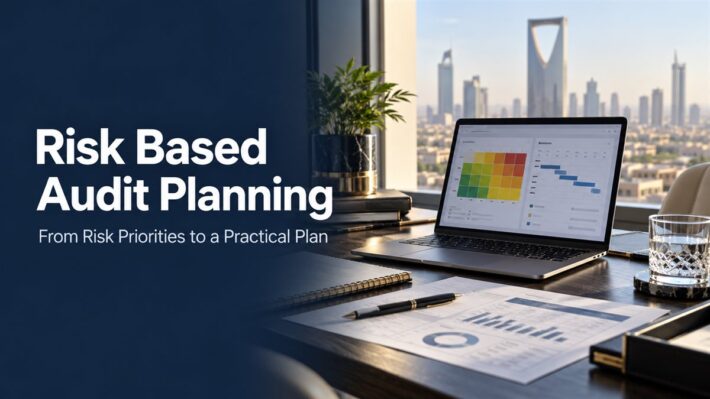
- Build structured audit plans
- Align audits with risk priorities
- Adjust schedules without losing visibility
- See capacity gaps early
This makes planning realistic rather than aspirational.
Managing Observations and Follow-Ups Clearly
One of the biggest failures in audit happens after reporting.
Issues are raised.
Management agrees.
Follow-ups disappear.
Audit management systems solve this by:
- Assigning clear ownership
- Tracking due dates
- Logging responses and evidence
- Highlighting overdue actions automatically
Audit becomes a continuous process, not a one-time event.
Reporting That Decision-Makers Can Actually Use
Reports should inform decisions, not overwhelm readers.
Internal audit reporting software helps teams:
- Standardize report formats
- Link observations to risks
- Present status clearly
- Reduce manual formatting work
This improves communication with senior management and audit committees.
Why Growing Organizations Need Audit Management Software
As companies scale, internal audit complexity increases:
- More processes
- More locations
- More stakeholders
- Higher regulatory expectations
Internal audit management software creates consistency without adding bureaucracy. It supports audit maturity without slowing teams down.
Click here to see how Abilite compares to the top internal audit software platforms.
Where Abilite Fits In
Abilite is built specifically for internal audit teams that want structure without complexity.
It supports:
- Audit planning and scheduling
- Engagement tracking
- Observation management
- Reporting and follow-ups
- Simple dashboards for visibility
Abilite helps audit teams stay organized, responsive, and credible.
Internal audit management software 7 practical selection checks
Use one real engagement to evaluate each platform, from the approved plan to evidence-backed issue closure. Ask your audit team, IT owner and procurement lead to agree on the acceptance criteria before the demonstration.
- Risk-based planning. Show how an audit connects to the audit universe, risk assessment, scope and available resources. Test what happens when priorities change.
- Evidence and review. Follow a working paper from preparation through review. Check who can access evidence and how reviewer comments are resolved.
- Findings and actions. Assign an action owner and due date, record the management response and demonstrate how closure evidence is reviewed.
- Reporting. Produce a sample engagement report and a management dashboard. Check whether the outputs answer the questions your audit committee actually asks.
- English and Arabic. Ask users to complete the same workflow in their preferred interface language. Review Arabic text, terminology and report readability.
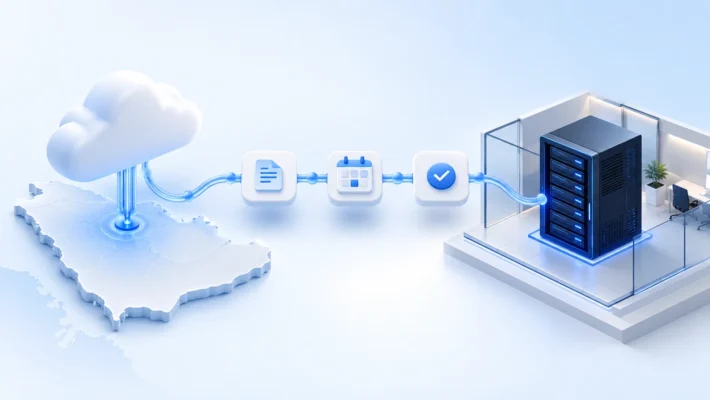
- Deployment and access. Discuss Saudi cloud hosting or customer-hosted local servers. Confirm infrastructure, permissions, backup, updates and support responsibilities with IT.
- Implementation and adoption. Agree on data migration, configuration, training and ongoing support. Request a written scope before making a purchasing decision.
Applying the checks to an IT audit management solution
An IT audit management solution should help your team organize scope, testing, evidence, review and corrective actions. Evaluate these workflows separately from technical security testing: a platform that tracks an audit does not automatically scan systems, test configurations or establish compliance.
Use one IT control, such as a periodic access review, as your demonstration scenario. Define the control owner, audit period, requested evidence and test procedure. Then ask the vendor to show how a reviewer records a conclusion, how exceptions become findings and how action owners provide closure evidence.
IT audit management software demo example
Use this illustrative access-review walkthrough to compare vendors. It describes what to verify in a demonstration, rather than a promise of automated security testing.
| Step | Demonstrate | Record the evidence |
|---|---|---|
| 1. Define the review | Set the system, audit period, control owner and review objective. | Agreed scope and test procedure. |
| 2. Request evidence | Request a sanitized user list and the relevant approval records. | Evidence owner, period covered and response status. |
| 3. Document testing | Record the sample, exceptions and reviewer conclusion. | Working paper linked to supporting evidence. |
| 4. Assign action | Turn a reviewed exception into a finding with an owner and due date. | Management response and agreed action. |
| 5. Verify closure | Review corrective evidence before closing the finding. | Closure decision and reviewer record. |
Connect this scenario to your risk-based audit plan and evaluate the full findings and follow-up workflow. Ask the vendor to identify any configuration, integration or manual steps.
Questions for Saudi IT audit teams
- Can reviewers trace a conclusion back to the working paper and supporting evidence?
- How are permissions, confidential attachments and management responses handled?
- Can the team report overdue remediation and preserve the verification history?
- What hosting, backup and update responsibilities apply to Saudi cloud or local deployment?
For engagements involving NCA requirements, use the current official Essential Cybersecurity Controls and implementation guidance to establish the applicable assessment criteria. Ask vendors to demonstrate any claimed control mappings; do not assume a prebuilt library or automated assessment is included.
Bring your IT audit workflow to an Abilite demonstration to assess how planning, working papers, findings and follow-up fit your team.
What should Saudi audit teams bring to a software demo?
Bring an anonymized audit plan, a sample working paper and a finding with its follow-up history. List your reporting needs and deployment constraints. Use the same scenario for every shortlisted vendor so that the comparison reflects your operating requirements.
Can Abilite be deployed on local servers?
Yes. Abilite offers deployment on customer local servers as well as cloud hosting on a server in Saudi Arabia. Confirm technical requirements and operational responsibilities during the deployment discussion. Read the on-premise internal audit software evaluation guide and the NADRA customer story for additional context.
Final Thought
Internal audit management software is no longer a nice-to-have. It is how modern audit functions keep control, accountability, and clarity as expectations rise.
When audit work is visible, timely, and structured, it earns trust.
That is where audit adds value.