
How CFOs and Heads of Internal Audit Should Select Internal Audit Software in 2026
Introduction
Internal audit software selection is now a strategic governance decision rather than a simple technology upgrade. In 2026, audit leaders are expected to deliver continuous assurance, faster issue closure, and stronger board reporting while operating across multiple regulatory frameworks.
This guide explains how enterprise audit teams should evaluate modern platforms based on real operational constraints, regulatory exposure, and reporting demands.
Internal audit software selection criteria for enterprise teams
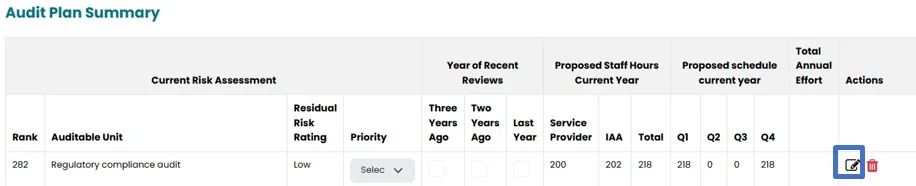
Audit platforms must support the full assurance lifecycle without external tools. Leading teams assess:
- Risk based planning and annual audit universe management
- Resource scheduling across multiple entities
- Secure fieldwork execution
- Issue remediation tracking
- Follow up automation and closure control
Incomplete lifecycle coverage creates audit delays and reporting inconsistencies.
Internal audit software selection and automation maturity
Automation quality now differentiates audit performance. Mature platforms provide:
- Rule based sampling logic
- Automated test execution
- Continuous control monitoring
- Exception driven workflows
Automation must reduce audit effort without weakening assurance reliability.
Internal audit software selection and reporting visibility
Executive confidence depends on reporting depth. Advanced platforms support:
- Real time issue status dashboards
- Risk heat maps by entity and category
- Management action ageing analysis
- Board ready reporting packs
Weak reporting layers limit audit influence at executive level.
Internal audit software selection for compliance across jurisdictions
Cross border audit operations require built in support for:
- SOX control frameworks in the UK and USA
- EU governance and sustainability disclosures
- Local regulatory reporting rules
Platforms should allow framework mapping without rebuilding audit programs.
References:
Integration requirements in internal audit software selection
Enterprise platforms must integrate with:
- ERP systems such as SAP and Oracle
- GRC platforms
- Data warehouses
- Identity and access management tools
Poor integration forces manual reconciliation and slows fieldwork cycles.
Security expectations in internal audit software selection
Regulated audit environments assess platforms on:
- Role segregation and access control
- Evidence version management
- Immutable audit trails
- Encryption and hosting standards
Security failures reduce regulator confidence and external audit reliance.
How Abilite supports enterprise audit operations
Abilite is designed as a full lifecycle internal audit platform for structured governance environments. It supports:
- Risk driven audit planning
- Dynamic resource scheduling
- Automated engagement workflows
- Configurable reporting outputs
- Analytics driven follow ups
Also Read:
Common failures in internal audit software selection
Experienced audit leaders consistently avoid:
- Selecting based only on license cost
- Ignoring integration testing
- Underestimating configuration effort
- Overvaluing cosmetic dashboards
Replacement rates remain high when governance fit is ignored.
Decision framework used by advanced audit functions
High maturity teams score platforms across five dimensions:
- Methodology alignment
- Automation depth
- Regulatory adaptability
- Reporting strength
- Scalability across entities
Shortlisting without this structure leads to implementation failure within two years.
Final guidance
Internal audit software selection in 2026 defines audit credibility, reporting influence, and regulatory confidence for the next decade. Audit leaders should validate platforms through operational testing, compliance mapping, and board reporting simulations before final approval.
